For much of the 20th century, branding aimed to personify companies with consistent voice, character, and commercial charisma. The logic was simple: people trust people, so brands should act like them—personable, authoritative, irreverent—to build credibility.
But today, our collective fluency in aesthetic culture, from niche subcultures to viral memes to global trends, has exploded. Consumers don’t describe brands in traits anymore; they read them through mood, vibe, and visual cues. As branding adapts to faster cycles and shrinking attention spans, aesthetics offer a more dynamic and immersive framework for brand expression that moves beyond the interpersonal metaphors of “personality” to embody the world people want to belong to—intuitively and instantly.
If personality makes the brand feel human, aesthetics make it feel alive.
What are aesthetics and why do they matter now?
In academic terms, aesthetics refers to the way we interpret and derive meaning from sensory input. But for this article, we are using an aesthetic to describe a more specific process: the negotiation and expression of symbolic cues that emerge when these sensory interpretations crystalize into a shared cultural code.
In other words, an aesthetic is how a brand communicates who it is, and who it’s for, using visual and cultural language informed by its context.
Aesthetics have become an important way we express identity. We aestheticize our homes, our clothes, our Instagram feeds. Through these everyday acts of curation, visual choices have become a primary way we signal who we are and where we belong. And, like the medium of culture itself, aesthetics are constantly evolving, shaped by forces from the margin and the mainstream.
To better understand how aesthetics operate as systems of meaning, let’s examine four case studies. Each reflects a distinct logic of aesthetic construction and illustrates how visual systems can encode identity and shape culture.
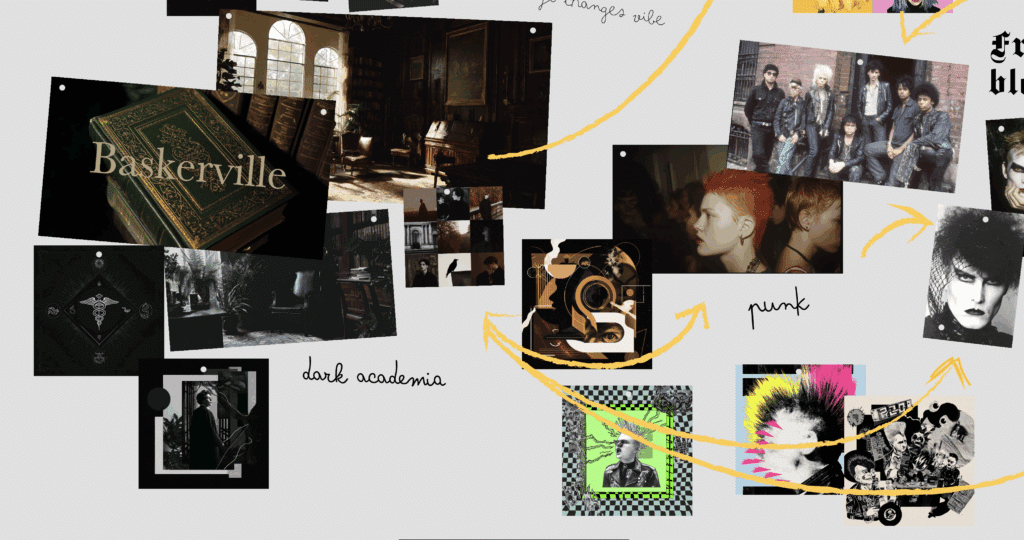
Punk: Aesthetic as Defiance
Punk began as a raw, rebellious music scene in the 1970s, but quickly evolved into a full-fledged aesthetic. DIY fashion, ripped clothing, safety pins, and handmade patches became powerful visual symbols of resistance against capitalism and class inequality. Over time, though, these signifiers were absorbed into the mainstream. Pre-ripped jeans, prefabricated patches, and other “market-friendly anti-fashion” items reframed rebellion as a widely adopted, stylized look. This journey illustrates how aesthetics can shift meaning when moved between cultural and commercial contexts—what was once oppositional can become aspirational, depending on how it’s styled, scaled, and sold.
Afrofuturism and Pre-Columbian Futurism: Aesthetic as Reclamation
Afrofuturism is an aesthetic that centers storytelling and cultural reclamation. It blends the histories and cultural identities of the African diaspora with elements of science fiction, futurism, and fantasy. Similarly, Pre-Columbian Futurism, as explored in our recent TED talk, draws from Native American knowledge systems to inspire visions of what the future could look like when rooted in indigenous ancestral wisdom instead of European industrial ideals. Through bold symbolism, hybrid form, tech-organic motifs, and powerful diasporic pride, both of these systems demonstrate how aesthetics can meaningfully create new models of belonging and agency.
Bauhaus: Aesthetic as Function
Bauhaus is grounded in visual unity and functional streamlining. Born out of early 20th-century Germany’s push for industrial efficiency, Bauhaus redefined design by stripping form down to its essentials: clean lines, geometric shapes, and minimal ornamentation. It unified art, design, and engineering under a modernist philosophy that beauty can—and should—serve function. As an aesthetic, Bauhaus has deeply influenced product design, interior architecture, typography, and digital interfaces, notably in Silicon Valley’s minimalist design ethos of usability, legibility, and restraint.
Niche Aesthetics: Aesthetics as Algorithmic Taxonomy
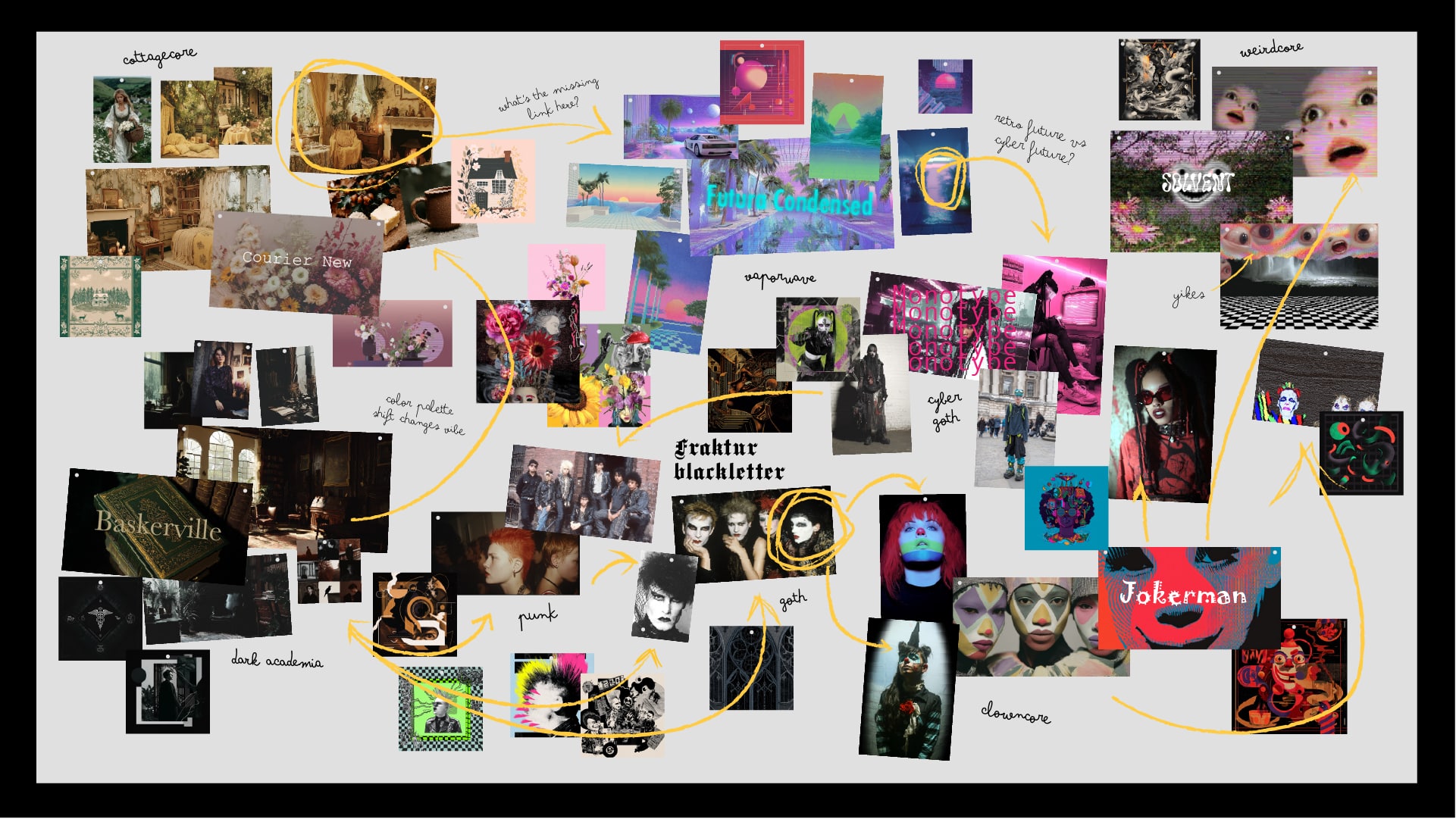
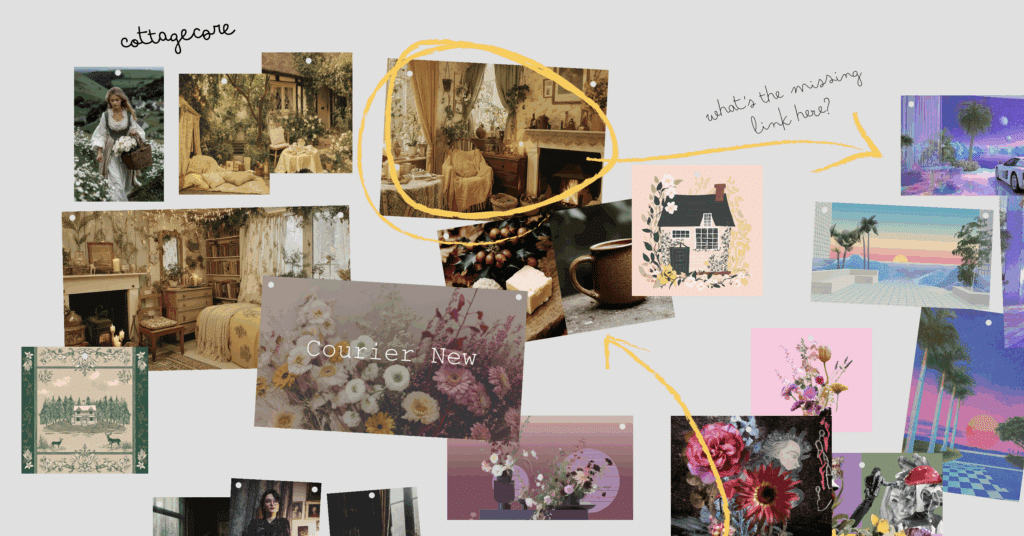
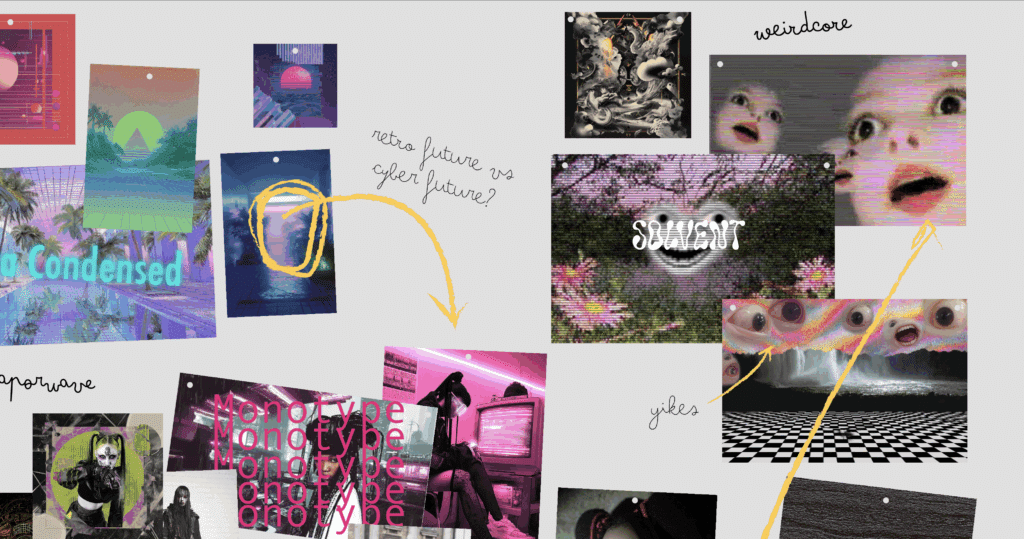
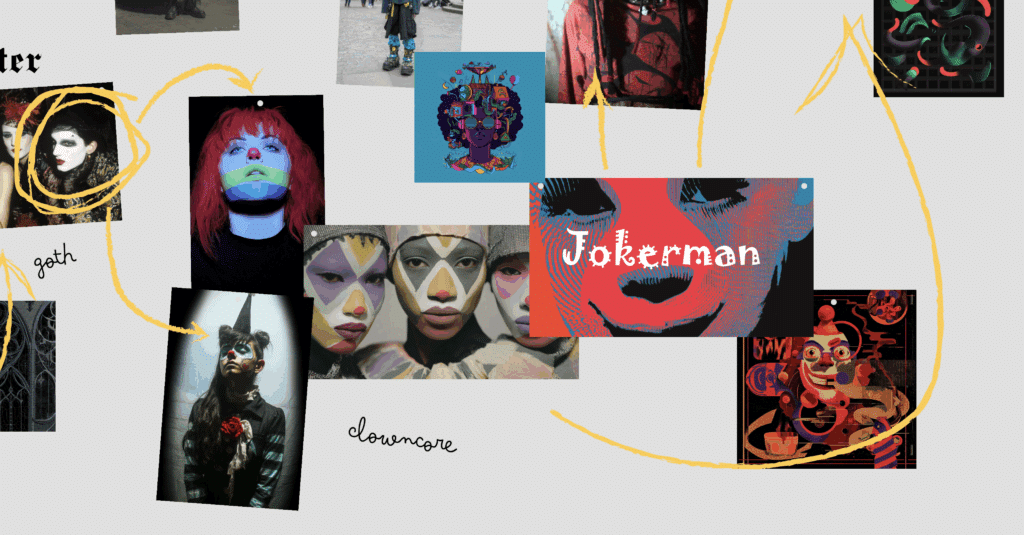
The rapid cycling of online trend cycles, amplified by algorithmic discovery, has enabled the proliferation of hyper-specific, highly codified styles often referred to as “niche aesthetics”. They remix and refine visual codes drawn from older subcultures to form a visual taxonomy of internet-era identity. Cottagecore, dark academia, weirdcore, cyberprep, clowncore—each is a kind of symbolic grammar, crafted from colors, textures, poses, fonts, and filters. In a world that is increasingly online, “niche aesthetics” act as a powerful visual shorthand to signal identity and ideology.
Each of these aesthetics encode more than style—they signal values, construct meaning, and shape cultural memory. Character and voice still matter, but they now live within a larger aesthetic ecosystem.
Understanding your aesthetic positioning
Every brand exists within an aesthetic system, whether it chooses to or not; even a “neutral” look signals something: restraint, corporateness, flexibility. So the question isn’t whether your brand has an aesthetic, it’s how that aesthetic is perceived, where it helps you stand out (or blend in), and how that position can be adjusted over time.

Audience & Service: Who you’re talking to, and how
Younger, digitally-native audiences, like Gen Z and younger millennials, tend to be deeply attuned to aesthetic design—they scroll fast and judge faster. Brands targeting this demographic need to deliver scroll-halting feeling at a glance through imagery, rhythm, and visual wit. By contrast, older audiences may respond more strongly to aesthetics that prioritize legibility, polish, and familiarity. Clean layouts, intuitive interfaces, and recognizable visual cues signal credibility, expertise, and professionalism. For these audiences, over-styling can feel distracting, or even insincere. For both, intentionality is key; aesthetics need to feel grounded.

Service Type: Functional v Lifestyle
In general, brands selling lifestyle products thrive on expressive, identity-driven aesthetics to create aspiration, belonging, or cultural clout. Their value is emotional as much as practical, and their design reflects that. In contrast, brands selling functional products tend to lean on clarity and restraint. Their primary job is to signal reliability, often through muted palettes and minimal embellishments. However, even functional products can become lifestyle symbols with the right aesthetic framing. For example, Scrub Daddy took an everyday sponge and infused it with personality and meme-ready visuals, and Amex uses sleek, metal cards to signal exclusivity and status.

Brand Architecture: The kind of system you’re building
Aesthetic consistency, or intentional divergence, depends on how your brand is structured. A “House of Brands” (like Unilever or IHG) has multiple consumer-facing identities, each with its own look and feel. Aesthetic decisions can be tailored to different audiences and contexts, facilitating a broader appeal. However, within this range of expression, it’s important to consider a meta-aesthetic—an overarching philosophy, design logic, or sense of taste—that links the portfolios together. In a Branded House (like FedEx or Google), the parent brand sets the aesthetic tone and sub-brands follow suit. The cohesion of the aesthetic lends itself to scalability and recognizability that ultimately reinforces a standard of service or product. Understanding your architectural model helps clarify how much visual freedom—or discipline—you need to embed in your aesthetic ecosystem.

Size, Risk, and Visibility: What you can afford to signal—or not
A brand’s scale, maturity, and market exposure shapes its aesthetic scope. In general, emerging brands may benefit from a more unique and recognizable aesthetic that cultivates depth over breadth, building relevance with a base consumer through a distinct visual signature. For challenger brands, memorability often matters more than mass appeal, especially early on. Alternatively, larger or risk-averse brands might lean flexible design systems that maximize appeal and that minimize friction. However, playing it too safe can lead to blanding—over-sanitized, hyper-optimized, and forgettable messaging.
Aesthetic strategy isn’t just about picking a lane, it’s about designing an adaptive system that can evolve with your brand—across channels, audiences, and moments—without losing its distinctiveness.
Conclusion
In this aesthetic economy, signaling, tone, and visual coherence matter more than scripted messaging. And as GenAI accelerates mass visual experimentation, engaging with the full visual and symbolic aesthetic logic of art, design, and sociocultural context is no longer optional, it’s strategic.

Design:
Anna LeBer, Senior Designer, BCG BrightHouse